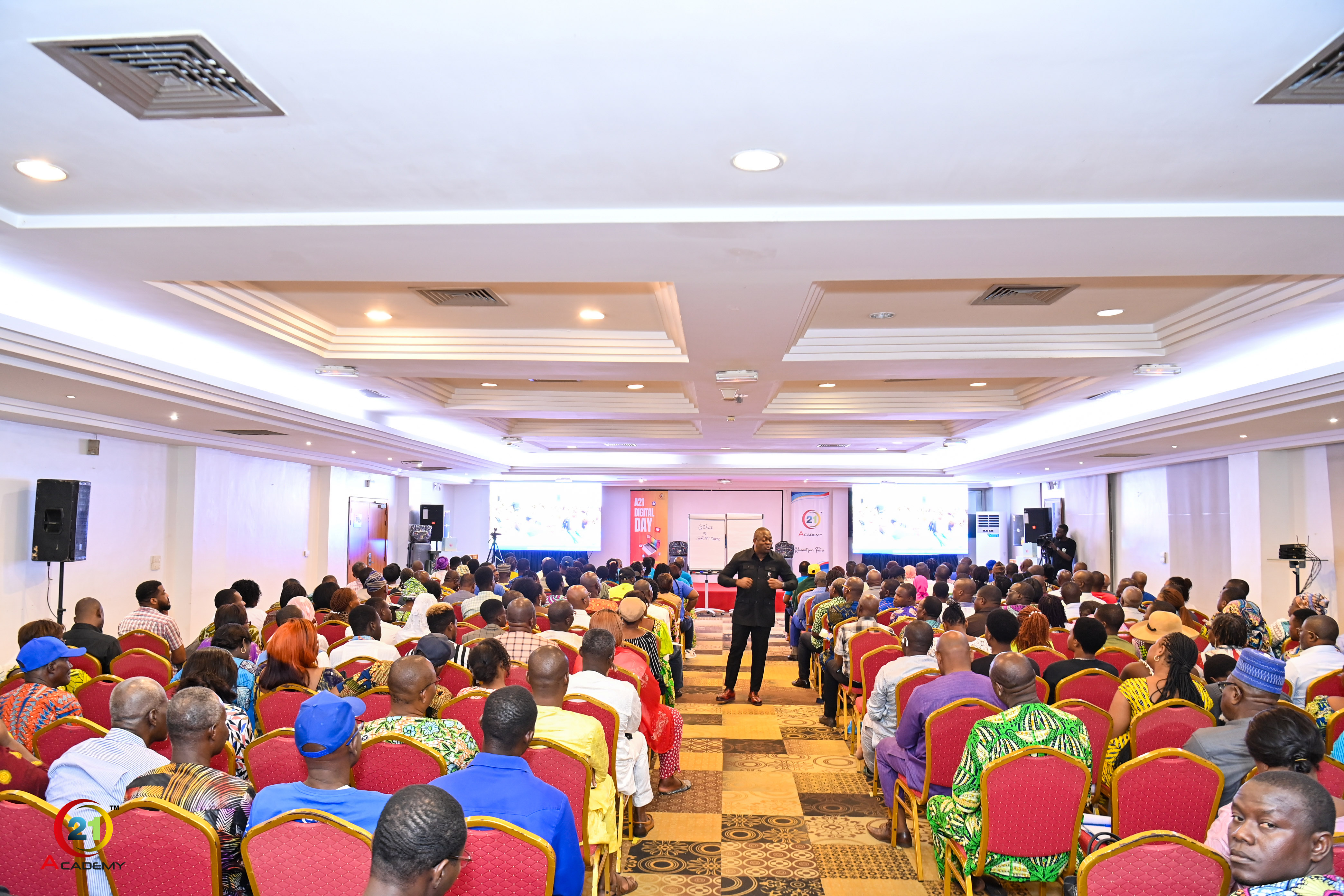
Depuis la nuit des temps, nombreux sont ceux qui considèrent que la réussite personnelle, à tous les niveaux, repose sur des facteurs externes tels que le travail acharné, la discipline, la persévérance, le courage de tenir ses promesses et, surtout, une volonté inébranlable de puissance et de grandeur. Bien sûr, ces facteurs sont essentiels pour bâtir une vie marquante. Mais que se passerait-il s'ils ne suffisaient pas ? Et s'il existait des facteurs internes tout aussi importants et indispensables ? Avec le recul, on réalise que le monde se décline en deux dimensions : la dimension visible et la dimension invisible. Chaque dimension, bien entendu, a ses propres exigences et règles. Ainsi, si l'effort physique est nécessaire pour accomplir de grandes choses, il existe aussi des réalités qui n'ont absolument rien à voir avec nos efforts physiques. Il s'agit de notre prédisposition intérieure, de la pureté de notre cœur et de nos pensées, et surtout de la qualité de notre esprit. C'est sur ces principes que le Dr Raoul Ruben a créé le Cotonou Momentum, un programme de formation intitulé Grâce et Gratitude.
Grace is a quality that evokes beauty, elegance and gentleness in our actions and interactions. It can also refer to a state of mind that includes benevolence, compassion and acceptance of ourselves and others. On a spiritual level, grace is often seen as a divine favour or positive influence that helps us to overcome challenges and embrace life with serenity. Grace enables us to act with dignity and respect, even in difficult situations, and encourages understanding and harmony in our relationships. Gratitude is a feeling of thankfulness and appreciation for the good things in life, both large and small. It involves acknowledging the benefits we receive, whether from people, experiences or circumstances. Gratitude plays a key role in emotional well-being, as it helps us to focus our attention on the positive aspects of our lives, thereby reducing stress and negativity. By practising gratitude, we cultivate an attitude of abundance and openness, which fosters deeper relationships and an overall sense of contentment and happiness. But how do Grace and Gratitude influence our lives in a meaningful way? This was the continuation of his talk.
Grace and Gratitude: Influence on Physical Fulfilment.
Grace and gratitude play a fundamental role in our physical fulfilment. Gratitude, in particular, encourages us to recognise and appreciate the positive aspects of our bodies and our health, which can lead to beneficial behaviour. By cultivating a grateful state of mind, we are more inclined to take care of ourselves, adopt a balanced diet and practise regular physical activity. For example, a person who expresses gratitude for their health is more likely to make choices that promote their well-being, such as engaging in physical exercise or choosing nutritious foods. This commitment to our bodies can also improve our self-confidence and body image, creating a positive cycle. Grace, on the other hand, can encourage a gentle, caring attitude towards ourselves. This approach allows us to accept ourselves as we are, while acknowledging our abilities and limitations. When we approach our bodies with grace, we are less likely to judge ourselves harshly and more likely to celebrate even our smallest successes. This self-acceptance reduces stress and anxiety, both of which can have detrimental effects on physical health. By cultivating an internal environment of grace and gratitude, we strengthen our resilience in the face of physical challenges, which helps us to overcome obstacles and persevere in our efforts to improve our health.And so grace and gratitude act as catalysts for our physical fulfilment.They encourage us to take care of our bodies, adopt healthy behaviours and cultivate a positive self-image.By integrating these values into our daily lives, we can not only improve our physical well-being, but also create a space conducive to personal growth and fulfilment.
Grace and Gratitude: Influence on Mental Accomplishment.
On a mental level, grace and gratitude play an essential role in our achievement process. Gratitude is a powerful tool that helps us reprogram our mind to focus on the positive. By taking the time to recognise and appreciate the good things in our lives, we reduce the impact of negative thoughts and limiting beliefs. This daily practice of gratitude fosters a growth mindset, where we are more open to opportunities to learn and improve. For example, keeping a gratitude journal helps to strengthen our ability to see the good in difficult situations, enabling us to develop mental resilience in the face of challenges. Grace, on the other hand, encourages us to approach our thoughts and emotions with compassion and understanding. When we show grace to ourselves, we are less likely to criticise or judge ourselves harshly. This creates a favourable mental environment in which we can explore our thoughts without fear of judgement. This self-acceptance promotes mental clarity, enabling us to make informed decisions and manage stress better. For example, by recognising our failures as learning opportunities rather than defeats, we develop a constructive attitude that pushes us forward. In this way, grace and gratitude enrich our mental lives by cultivating a positive outlook and fostering a caring state of mind. By integrating these values into our daily lives, we can improve our ability to face challenges, learn from our experiences and move towards deeper, more meaningful mental fulfilment.
Grace and Gratitude: Influence on Emotional, Financial and Spiritual Fulfilment.
The impact of grace and gratitude also extends to the emotional, financial and spiritual dimensions of our lives. Emotionally, gratitude helps us to develop healthier and more authentic relationships. By expressing gratitude towards others, we strengthen our bonds and foster a climate of trust and empathy. This dynamic creates a virtuous circle in which kindness and mutual appreciation nourish our emotional well-being. Grace, by teaching us to welcome our emotions without judgement, enables us to weather emotional storms with greater serenity, strengthening our resilience in the face of relational challenges. In financial terms, gratitude helps us to adopt a more positive approach to money. By recognising the resources we already have, we cultivate a mindset of abundance rather than scarcity. This can encourage us to manage our finances better, invest wisely and seize the opportunities that come our way. Grace, by allowing us to accept our financial mistakes with compassion, helps us to learn from our experiences without being overwhelmed by shame or guilt. This approach encourages us to make informed financial decisions and pursue financial goals that are in line with our values. Finally, on a spiritual level, grace and gratitude bring us closer to our deepest essence. Gratitude encourages us to recognise the small wonders of life and to cultivate a connection with something greater than ourselves. This can strengthen our sense of inner peace and spiritual fulfilment. Grace, by helping us to accept challenges as opportunities for spiritual growth, enables us to see the beauty and meaning in every experience. By integrating these values into our lives, we can create a holistic journey of fulfilment that nurtures our emotional, financial and spiritual well-being, leading us to a richer, more fulfilling life.
Ces lignes semblent tout droit sorties d'un conte de fées. Pourtant, il s'agit bien d'un résumé des propos du Dr Raoul Ruben, président et fondateur de l'organisation visionnaire Academy Twenty One, conçue comme un incubateur pour l'enseignement des principes qui caractérisent l'entrepreneur de ce siècle. À travers une série de conférences et de séminaires, il accomplit progressivement sa mission : transmettre au plus grand nombre les clés de son ascension au sommet de cet art dont il est particulièrement fier. Mais cette fierté ne signifie pas que nous devions nous reposer sur nos lauriers et croire que nous avons atteint notre but. Bien au contraire, c'est une invitation à redoubler d'efforts, car le repos ne sera possible que lorsque nous aurons vu cette organisation transformer des millions de vies et former des entrepreneurs prospères et financièrement indépendants. Quiconque aspire non seulement à la liberté financière et temporelle, mais aussi à une meilleure version de lui-même, devrait s'inscrire au programme de transformation proposé par cette organisation. C'est au terme de cet effort que nous pourrons espérer récolter quelques graines de succès, mais même alors, ces efforts doivent être reconnus à leur juste valeur. Il est temps de rejoindre une communauté où les efforts de chacun sont reconnus à leur juste valeur. Rendez-vous au sommet !